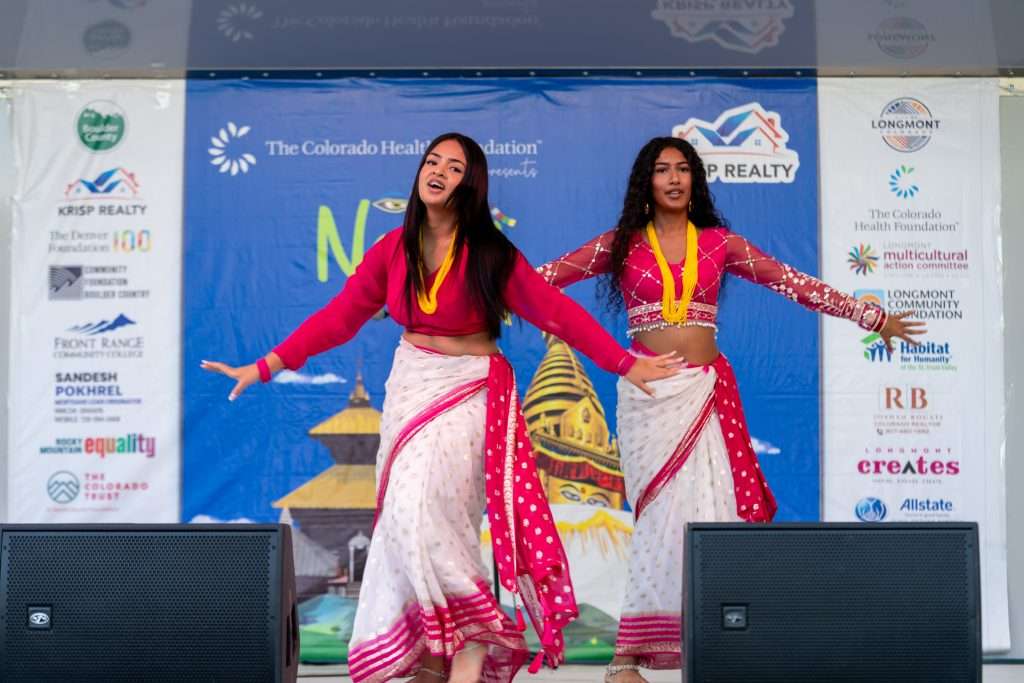
Who are the arts for? Most people in Boulder County would likely say the arts are for everyone. But for people of color, those in lower income brackets, those who do not speak English, and those with disabilities, the arts may not feel particularly welcoming.
“We all approach art from the perspective of, ‘Is there something here for me,’” said Charlotte LaSasso, executive director of the Boulder County Arts Alliance. “I don’t worry walking through the doors of a museum anywhere.”
However, LaSasso added, the experience can be very different for many people.
“If you’re disabled, you might not be able to figure out how to get in,” she said. “If you don’t see people who look like you or speak your language, it becomes pretty daunting.”
Arts organizations in Boulder County — which is 78% white — and the city of Boulder — 88% white— are reflecting and taking action on these issues in response to demographic and other changes, as are many communities nationwide. Locally, the Scientific and Cultural Facilities District (SCFD), which contributed funds to 70 arts organizations in Boulder County in 2017, is nudging its beneficiaries toward clear commitments to diversity, equity and inclusion.
“I think it is a long process,” LaSasso said. “You don’t just decide to do a program and call it equity work. You can’t just translate a poster into Spanish. It has to be in everything you do.
”Deborah Jordy, executive director of the SCFD, said the district began working in earnest on DEI more than two years ago. In 2017, SCFD diversified its staff, making one-third of its workers people of color. It followed a similar trajectory on its 11-member board by including five members from diverse backgrounds. SCFD also offers a Diversity in the Arts internship.
“How can we model behavior and how can we reflect the community?” Jordy said. “You need to start from within with staff and board.”
She added that SCFD would like to see greater board diversity and more people of color, more people with disabilities and under-represented populations in staff leadership positions.
“We can’t mandate that organizations do this,” Jordy said, “but we believe it is the right thing to do.”
The key is access, Jordy said. Examples she cites are bilingual programs and websites, as well as websites that are more accessible for those with disabilities. More diverse leadership can help bring about these and other changes.
She added that changing demographics mean a change in those who access the arts.
“The audiences are changing,” she said. “It’s not going to be the same in a few years.”